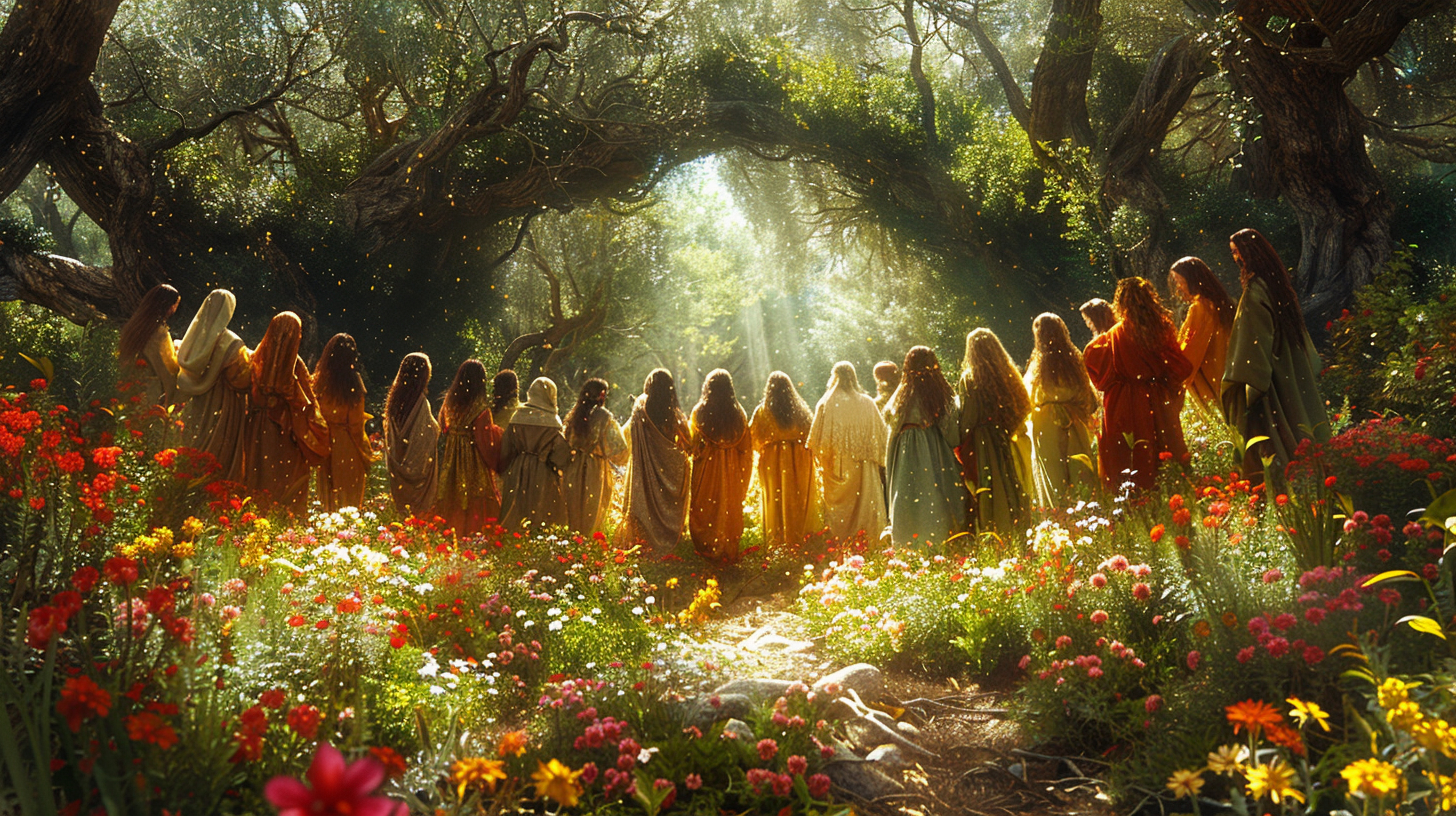
The God’s Garden with Spiritual Growth
The imagery of God's garden of spiritual growth is a rich, frequent symbol in Christianity, in which believers themselves are God's seeds, being invited to sow and cultivate spiritual seeds in abundance and in hope. The metaphor reminds us of the need for cultivating growth in a spiritual direction in our own lives, as well as of the edge of human power in accomplishing it. Just as a gardener tends his crops in a careful, conscientious way, Christians must take care of themselves and of others in a similar, careful and conscientious way. Yet, as in a God’s Garden, there is ever a risk and an uncertainty.
God’s Garden and Spiritual Growth for us
As a gardener, we have discovered that all of our seeds do not take root and bloom. Some of them face difficult weather, others can thrive in favorable weather. In a similar way, in our journey of faith, not every action we take yields with positive results, but planting seeds of faith is always worth it. We have a trust in God's plan and knowing it is in His hands.
From Christ's parables, for instance, The Parable of the Sower, we learn scattering seed is an act of generosity, not calculation of hope and not of control. The Sower sows seed freely, knowing in difficult circumstances, some of it is going to take root and grow. This is a wonderful point of theology in living spiritually: we have nothing to do with results. Paul reminds us in 1 Corinthians 3:6, “I planted the seed, Apollos watered it, but God has been making it grow.” We can plant, we can water, it is God who gives growth.
Ultimately, the metaphor asks us to be faithful in our role, sowing and nurturing faith, and leaving it in God's hands to reap a harvest. Often in ways we can't see and in ways we can't explain. We may not see everything, we may not understand everything, but we can be grateful for God’s beauty in our spiritual growth.
